EVs vs Petrol Cars in Floods: Safety, Risks & Expert Insights 2025
Understanding Electric Vehicle Performance and Safety in Flood Conditions

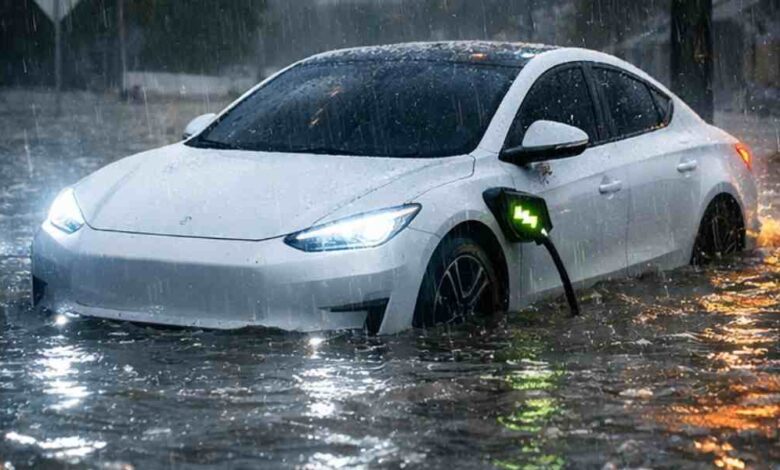
EVs vs Petrol Cars in Floods: What You Need to Know in 2025
When unexpected weather strikes and roads turn into rivers, vehicle owners face a critical question: how will my car handle flood conditions? With electric vehicles gaining popularity across the UAE and globally, understanding their behavior in floods compared to traditional petrol cars has become increasingly important for car owners.
At Shaz Cars, we’ve compiled comprehensive insights to help you understand the realities of both EVs and conventional vehicles when facing flood situations.
How Electric Vehicles Handle Flood Conditions
Electric vehicles feature fundamentally different engineering compared to internal combustion engine cars, which affects their flood performance in several ways.
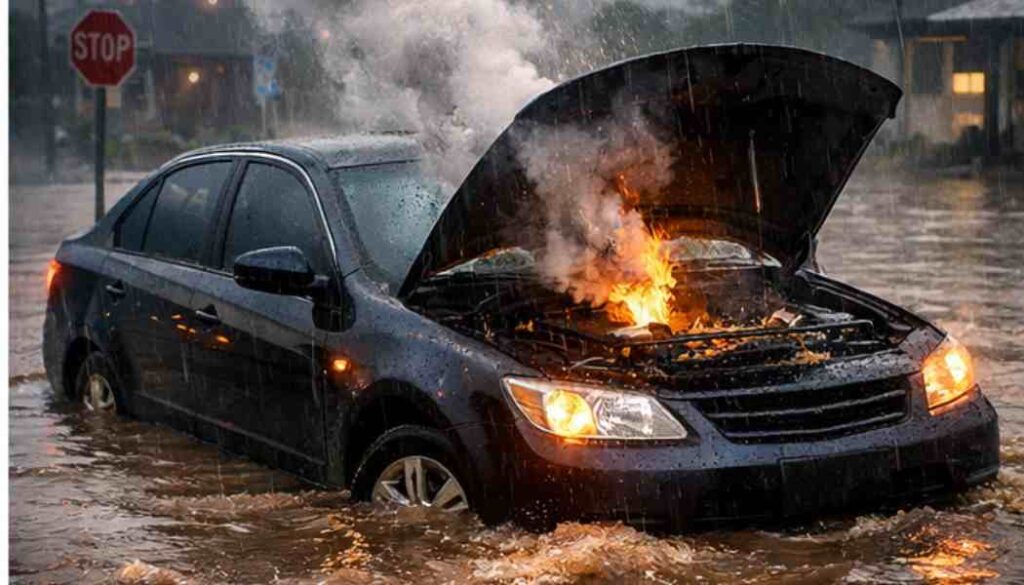
Built-In Water Resistance Features
Modern EVs incorporate battery packs and electric motors housed in sealed enclosures designed to resist moisture intrusion. These protective casings provide a defensive barrier against water exposure, though they’re not completely impervious to deep flooding. The sealed architecture offers enhanced protection compared to traditional engine compartments with multiple openings and ventilation requirements.
Automatic Safety Systems
Electric vehicle electrical architecture includes sophisticated circuit protection that triggers automatic shutdowns when detecting anomalies. These safety mechanisms can prevent cascading electrical damage by immediately cutting power flow when water contact creates short circuit risks.
Streamlined Mechanical Design
With fewer mechanical components than petrol vehicles—no fuel tank, exhaust system, or complex transmission—EVs theoretically present fewer points of water intrusion. However, this advantage is offset by the sensitivity and cost of their electronic control systems.
The Hidden Dangers: Why EVs Still Face Serious Flood Risks
Despite technological advantages, electric vehicles are not flood-proof and present unique challenges.
Severe Electrical Hazards
The combination of high-voltage battery systems and water creates extremely dangerous conditions. A flooded EV can pose electrocution risks to anyone attempting to touch, enter, or move the vehicle. This hazard persists even after water recedes, as residual moisture can maintain conductivity within electrical systems.
Water Can Penetrate Sealed Components
While battery packs feature protective sealing, prolonged submersion or high-pressure floodwaters can compromise these barriers. Once water infiltrates battery cells or motor housings, the damage can be catastrophic and often irreversible.
Expensive Repair Considerations
EV components carry premium price tags. Battery pack replacement can cost thousands of dirhams, and specialized training requirements mean fewer mechanics can properly assess and repair flood-damaged electric vehicles. Insurance companies frequently total flood-damaged EVs due to repair costs exceeding vehicle value.
How Petrol Cars Compare in Flood Situations
Traditional combustion engine vehicles face their own distinct flood vulnerabilities.
Engine Hydrolock Risk
When water enters a petrol engine’s air intake, it can cause hydrolock—a condition where incompressible water fills cylinders, potentially causing catastrophic engine damage upon starting. This represents one of the most severe failure modes for flooded conventional vehicles.
Fuel System Contamination
Floodwater entering fuel tanks can contaminate petrol with water and debris, requiring extensive fuel system cleaning or component replacement. This issue doesn’t affect EVs, which eliminate the fuel delivery system entirely.
Electrical System Vulnerability
Modern petrol cars contain sophisticated electronics controlling everything from engine management to safety systems. These components are equally vulnerable to water damage as EV electronics, though typically less expensive to replace.
Universal Flood Risks for All Vehicles
Regardless of propulsion type, all vehicles share common flood-related concerns.
Corrosion and Rust
Floodwater exposure accelerates corrosion throughout vehicle structures. Brake systems, suspension components, electrical wiring, and body panels all suffer degradation from water and contaminants. Similar to used spare parts in Sajja and Sharjah, finding quality replacement components for flood-damaged vehicles requires careful sourcing.
Interior and Upholstery Damage
Water-soaked interiors create mold growth, persistent odors, and electrical malfunctions in power seats, infotainment systems, and climate controls. Remediation often proves impractical and costly.
Brake System Compromise
Water intrusion into brake fluid systems reduces braking effectiveness and can cause complete brake failure if not properly addressed through fluid replacement and component inspection.
Critical Safety Guidelines for Flood Situations
Whether you drive an EV or petrol vehicle, these safety principles apply universally:
Never attempt to drive through floodwaters. Even shallow-appearing water can hide dangerous currents, road damage, or debris. The old saying “turn around, don’t drown” applies to vehicles as much as people.
Know your vehicle’s wading depth. Consult your owner’s manual for maximum safe water depth specifications. Most passenger vehicles have minimal wading capability—often just 6-12 inches.
If your vehicle encounters flood water, do not attempt to start it. Water in the engine or electrical systems can cause exponentially more damage when you try starting the vehicle.
For EVs specifically, maintain distance from flooded electric vehicles. The electrical hazard risk requires professional handling by trained emergency responders and EV technicians.
Seek specialized professional help. Flood damage assessment requires expertise, particularly for electric vehicles. Only qualified technicians with EV certification should evaluate flood-damaged electric cars.
After the Flood: Professional Assessment Essentials
If your vehicle experiences any flood exposure, professional inspection becomes critical before resuming operation. Comprehensive vehicle assessment should examine:
- Electrical system integrity and functionality
- Engine or motor condition and fluid contamination
- Brake system performance and fluid quality
- Structural corrosion and frame integrity
- Interior mold or moisture retention
- Safety system functionality
According to automotive safety experts at the National Highway Traffic Safety Administration, flood-damaged vehicles represent serious safety hazards and should never be operated until professionally cleared.
Insurance Considerations
Understanding your coverage before flood events proves invaluable. Comprehensive insurance typically covers flood damage, but policies vary significantly. Document all damage thoroughly with photographs and avoid cleanup attempts that might complicate claims assessment.
The Verdict: Which Performs Better?
Neither electric nor petrol vehicles can be declared definitively “better” for flood conditions—both face serious risks requiring the same fundamental approach: complete avoidance of flooded roadways.
EVs offer sealed components and automatic safety shutdowns, while petrol cars avoid high-voltage electrical hazards. However, both vehicle types sustain extensive, costly damage from flood exposure, and both present safety risks during and after submersion.
The key takeaway for vehicle owners is that flood avoidance represents the only reliable protection strategy. Whether you’re navigating Sharjah parking timing during heavy rains or planning routes during monsoon season, prioritizing safe, dry routes protects both you and your vehicle investment.
Final Recommendations from Shaz Cars
At Shaz Cars, we emphasize that vehicle type matters far less than driver decisions when facing flood conditions. No automotive technology eliminates flood risks—only prudent driving choices and route planning provide genuine protection.
For UAE residents particularly, where seasonal rains can create sudden flooding despite desert climates, maintaining awareness of weather forecasts and avoiding low-lying areas during heavy rainfall proves essential for all vehicle owners.
Stay informed, drive safely, and remember that no destination justifies the risk of driving through floodwaters, regardless of what you’re driving.